Rodents are equal parts persistent and predictable. They follow edges, test gaps, and exploit the same building weaknesses over and over. That is good news for landlords and property managers, because it means you can harden a building against mice and rats with a deliberate set of proofing tactics. Done well, those measures reduce complaint volume, protect finishes and wiring, and cut costs tied to turnover. They also pay off with fewer late night calls about scratching in the ceiling or a mouse running across the stove during dinner.
This guide gathers the techniques that consistently work in rentals. It blends building science, practical pest control, and the realities of shared responsibility in multi‑unit housing. There is no magic product that replaces proofing. The structure itself has to say no.
Why rentals attract rodents in the first place
Rental properties draw rodents for the same reasons any building does, but with two added twists. First, there is a rotating cast of occupants with different habits around storage, food, and trash. Second, maintenance often runs through a work order system, which means a small hole under a sink can sit for weeks until it becomes a rodent highway.
Mice can slip through a hole the size of a dime, rats through something closer to a quarter. Both can gnaw openings larger within hours if the material is soft enough. They do not need sustained access to thrive, only periodic food, a nesting nook, and pathways that feel safe. In multi‑unit buildings, once they reach a chase or plenum they can distribute through entire stacks without stepping outside.
Understanding this movement is crucial. Roof rats often nest high, using tree canopies and rooflines, then slip into soffits or attic vents. Norway rats prefer low levels and soil contact. House mice will accept nearly any void, especially warm spots near appliances or water heaters. These tendencies are predictable, which lets you prioritize proofing and monitoring.
The structural priority list: where proofing matters most
If you have limited time, start with the building shell and mechanical penetrations. Ten spent minutes with a flashlight at dusk can tell you where to focus. Light carpenter bees control leaking under doors, crumbling mortar at utility entries, or a wavy line where a door sweep should touch the threshold are invitations.
Door assemblies come first. Rodents press along thresholds and side jambs, testing for daylight. A proper commercial door sweep, set so it kisses the sill without buckling, removes the most common entry point. Brush seals on the sides and top, matched to the door’s swing and clearances, close the loop. On garage or shop doors, a neoprene bottom seal that meets the slab flush saves you many headaches, especially where the slab is out of level.
Vents and voids deserve equal attention. Dryer vents need rigid duct and a proper louvered hood that closes. Attic and crawl vents should carry 1/4 inch hardware cloth, framed tight so there is no wrinkled corner a mouse can work. Avoid plastic screens that warp in heat. Weep holes draw debate. In rodent‑heavy areas, stainless steel weep inserts sized for drainage, not foam, preserve building performance while stopping traffic.
Utility penetrations are the silent killers. Every gas line, condensate drain, cable entry, and hose bib typically leaves a ragged annulus around pipe or conduit. Pack those voids tightly with copper mesh and cap the face with a quality elastomeric sealant. Pure spray foam fails here. Rodents shred it the way a child tears cotton candy. If you must use foam to backfill, pair it with a mechanical barrier like copper mesh or mortar on the rodent‑exposed face.
Foundation breaks and expansion joints also provide routes. On block foundations, re‑mortar gaps, and where slabs meet stem walls, install rodent‑resistant backer rod under sealant to keep joints sealed through seasonal movement. Remember that steel wool rusts and stains; choose copper or stainless products for long‑term work.
Kitchens and laundries, where habits meet gaps
The most frequent indoor entry points sit behind refrigerators, dishwashers, stoves, and laundry hookups. The recipe is simple: a big dark void, warm motors, food residue, and a hole where plumbing or electrical enters the wall. In older apartments the drywall behind a stove can look like a crater. Rodents need a couple of inches behind an appliance to move; seal those penetrations tight so the void does not connect to the wall cavity.
Under‑sink cabinets deserve a carpenter’s look. Cutouts that are oversized for P‑traps and supply lines should be reduced with escutcheon plates or backer and sealant. If the cabinet floor is failing, rebuild that base. Rodents love the sag where particleboard has delaminated, since it gives them a protected nesting shelf. Where present, floor drains should have strainers that actually fit. If a dishwasher drain runs to an air gap at the sink, make sure the hose is tight and the cabinet hole is sealed snugly around it.
Laundry rooms add dryer ducting and often a big, open utility chase. Hard pipe is best from dryer to exterior. If a flex duct is used, keep it short, supported, and free of tears. Seal the wall penetration with a collar so the room does not open freely into the wall.
Attics, crawlspaces, and basements
Attics are a favorite for roof rats and mice. Insulation hides runways and droppings. Look along the top plates and around can lights, bath fan housings, and the chimney chase. If you can see light at the ridge, check that baffles and vents are screened properly. Soffit returns where gutters meet fascia often have a thumb‑sized gap that rodents expand. From outside, those points look like shadow lines. From inside, you will find daylight halos or cold breezes.
Crawlspaces have their own pattern. The ground should be covered with an intact vapor barrier, seams overlapped and taped. If ducts run through, check every support and boot for openings. Rodents like to travel along ductwork and on top of poly where it feels dry underfoot. Any open soil at perimeter footings attracts burrowing. Hardware cloth skirts below deck framing and at lattice panels stop easy access under porches and stoops.
Basements combine utilities and storage. That is a combustible mix. Keep stored goods 4 to 6 inches off the floor and away from walls so you can inspect. Seal sill plates where the top of the foundation meets framing. If there is an open sump, install a tight lid. Small, obvious moves here create both a physical barrier and an observation lane. You cannot fix what you cannot see.
Landscaping that invites or deters
Vegetation drives many infestations. Rodents prefer covered runs. A dense hedge against siding, stacked firewood, and a leaning ladder to the eaves create a straight shot to entry. Keep shrubs pruned off the building by a foot, lift canopies so you have visual clearance at the foundation, and store lumber or seasonal gear away from walls. Vines on masonry look charming, but they mask weep holes and mortar issues that become rodent doors.
Tree limbs over roofs allow roof rats to bypass all your lower proofing. Trim back so a squirrel would have to jump at least 6 to 8 feet to reach the roof. Where trash and recycling live outdoors, bolt enclosures to concrete pads and use lids that latch, not lids held with a brick. Dumpsters need clearance around and beneath, with scheduled washing. A syrupy dumpster is a buffet, and the scent signature carries farther than most people guess.

Domination Exterminations, and the first 30 minutes of a rental walkthrough
When technicians from Domination Exterminations arrive at a rental for rodent control, the first half hour sets the tone. The walkthrough starts outside. They look for unsealed penetrations, test door sweeps with a flashlight, and run a gloved hand along the bottom course of siding to feel for hollows. Downspout terminations, AC line sets, and the cable drop are quick checks that catch 70 percent of common failures. Then they step inside to the kitchen and mechanical closet. If the unit has had turnover recently, they check whether the stove and refrigerator were pulled and whether the wall penetrations behind them were sealed or simply painted.
One small move they repeat in older buildings is cutting a simple galvanized cover for the open gas line chase behind a range, then caulking the perimeter. That stops drafts and rodent traffic in one motion. In a laundry closet, they often replace the thin plastic dryer hood with a metal louvered model, screw it into solid backing, and seal the duct to the collar with foil tape and a clamp. None of these parts are expensive, but they outlast a season of traps alone.
The difference between sealing and smearing: materials that hold
Seal with intent. Rodents test with incisors, not fingers. Soft foams and caulks fail when they are the only line of defense. A layering approach lasts. For small to mid‑sized holes in rigid materials, pack copper mesh tight, cap with a high quality sealant, and tool it so there is no lip to catch. For larger or load‑bearing repairs, use mortar or concrete patch where appropriate, or a cut piece of 26 to 22 gauge sheet metal secured with screws. On siding, match materials. Vinyl with vinyl, wood with wood plus metal as needed, then finish paint.
Door sweeps matter enough to repeat here. The cheap, thin rubber strips peel back within months. Commercial sweeps hold up and adjust to seasonal swell or shrink. On uneven slabs, a threshold riser can meet the door evenly so you do not end up cranking a sweep down until it drags.
Screens need to be metal, no bigger than 1/4 inch mesh. On larger vents, frame the screen so it ties into solid material, not simply stapled to fiberboard. Mice pry up a corner when there is flex. When you pair hardware cloth with a vent cap that closes fully, you reduce entry and preserve airflow.
Sanitation and storage, what tenants control and what you can guide
You cannot mandate perfect housekeeping, but your lease and resident communications can set expectations that matter. Food in sealed containers, pet kibble stored in tubs, and nightly trash takeout cut down the scent and crumbs that draw rodents. Under beds and sofas, a fifteen minute sweep of dropped snacks makes a difference. The biggest change often comes from how people store cardboard. Flatten it quickly, recycle on schedule, and avoid long‑term piles near mechanical areas.
Trash staging is the other lever. Give tenants enough bin capacity and lids that work. Where bins overflow, someone will set a tied bag on the ground, and within hours it will be torn open. That sets a pattern hard to break. If your building hosts compost, choose rodent‑resistant bins and situate them away from structures, ideally on a concrete pad or gravel bed.
Fast proofing priorities for turnover day
- Pull the stove and refrigerator, seal wall and floor penetrations tight, then clean and replace. Inspect door sweeps and weatherstripping, replace anything that shows light or cracks. Pack copper mesh and sealant around every visible utility line, inside and out. Screen attic and crawl vents with 1/4 inch hardware cloth, secure edges properly. Remove brush and debris against the foundation, confirm trash lids latch securely.
Monitoring and trapping that fits rental realities
Even a well‑proofed building benefits from ongoing monitoring. In multi‑unit settings, place tamper‑resistant exterior bait stations in protected perimeters and service them to label, with a pesticide operator’s oversight. Indoors, prefer mechanical traps in protected stations over open baits, especially in family housing or pet‑friendly buildings. A simple line of snap traps behind a kickplate or inside a cabinet, anchored and in stations, solves many mouse problems without risk to non‑targets.
Placement matters more than count. Set along edges, behind appliances, and near recent droppings. For roof rats, go high. For Norway rats, keep low and look for burrows at exterior corners and under steps. Rotate attractants. Peanut butter works, but nuts, seeds, and even cotton balls can serve as both draw and nesting material lure. Record every set and check in a central log.
A word about repellents and gadgets. Ultrasonic repellers and strong‑smelling sachets do not change outcomes where entries remain open. Sticky traps are problematic in rentals, both ethically and legally in some jurisdictions, and they collect dust and insects more than target rodents. Invest time in sealing the building, then use trapping as a follow‑up tool.
Documentation, liability, and the pest log that keeps you out of court
Habitability and health codes tie landlords to pest control outcomes, not just effort. A clean documentation trail helps prove due diligence. Keep a pest log that records complaints, inspection dates, findings, work performed, and materials used. Photograph penetrations before and after sealing. When you inherit a building with a known rodent issue, schedule baseline interior and exterior inspections, then document the proofing you complete unit by unit.
Shared responsibility should live in leases and welcome packets. Spell out that tenants must report pest sightings quickly, store food appropriately, and allow access for inspections. Tie trash storage and pet feeding to written policies. Many infestations linger not because no one cares, but because no one knows until it spreads.
Common mistakes Domination Exterminations sees in multi‑unit buildings
- Sealing only the unit with complaints, ignoring shared chases and penetrations that connect floors and stacks. Relying on foam alone at utility lines, which fails within weeks under gnawing and UV. Placing traps in the open where pets or children can access them, rather than using stations or protected voids. Leaving tree limbs and vines against roofs and siding, creating elevated highways into soffits. Skipping door hardware upgrades, then wondering why daylight keeps showing under the slab‑settled entry.
Coordinating trades, because pest work crosses specialties
Rodent proofing does not live in a vacuum. It touches carpentry, HVAC, plumbing, and electrical. The cleanest jobs happen when those trades cooperate. For example, when an HVAC crew runs a new lineset, have them install a proper wall sleeve and seal both sides before mounting the cover. When an electrician cores a hole, ask for a steel escutcheon and firestop foam paired with copper mesh at the pest‑exposed face. Plumbers can reduce sink base cutouts to tight circles with split flanges rather than leaving a large rectangle. These moves cost minutes during the job and prevent hours of pest control later.
Domination Exterminations often leaves a short, trade‑friendly scope note behind after service. It lists specific penetrations for maintenance to seal, with material suggestions. On properties that adopt that habit, rodent calls drop and stay low because new work does not reopen old doors.
Balancing rodent control with broader pest control programs
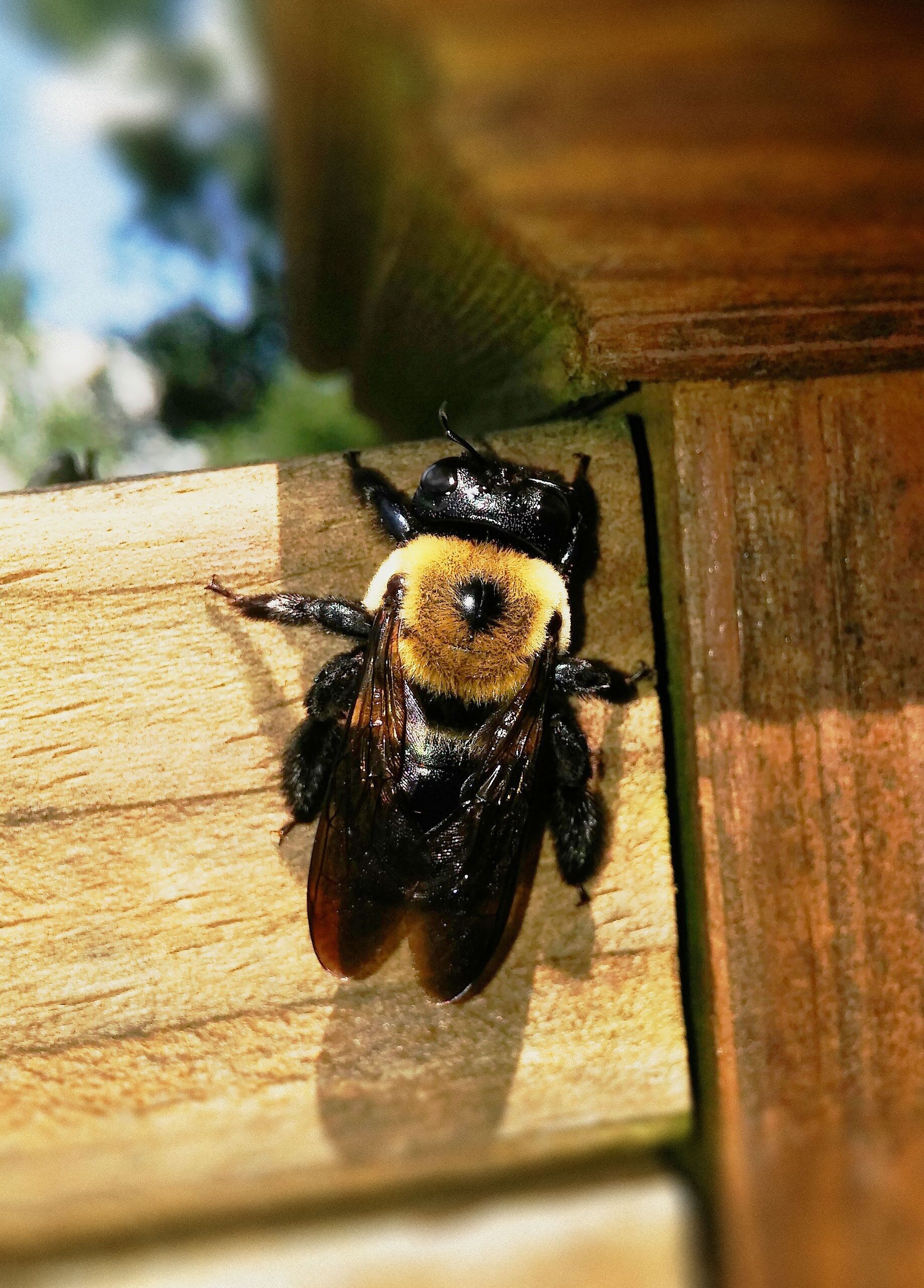
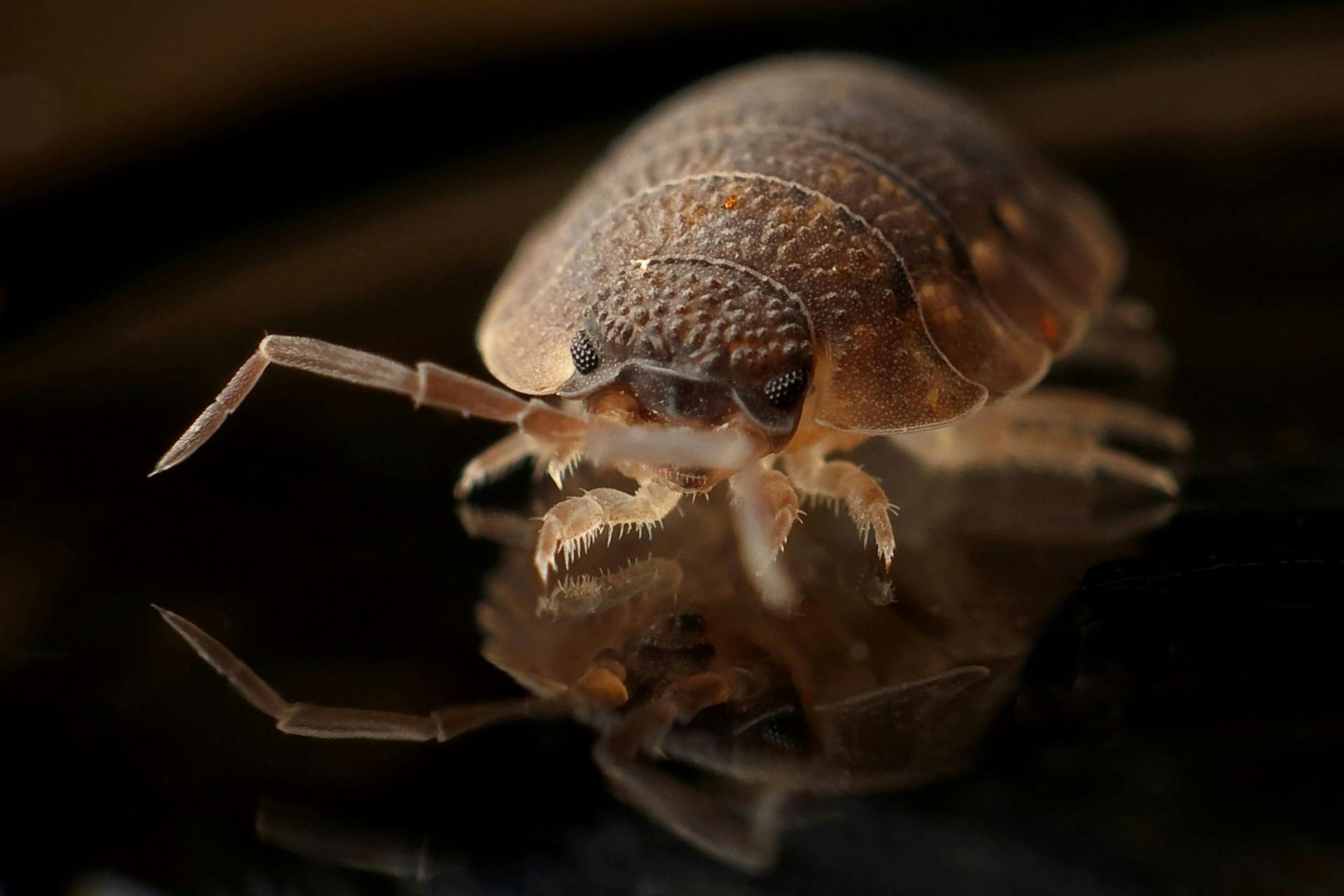
Rodent proofing dovetails with other pest control efforts. For ant control, the same perimeter adjustments that block rodents often reduce ant trails. Closed gaps, tight doors, and dry foundations make ants hunt elsewhere. For termite control, keep wood‑soil contact off the table, maintain clearance for inspections, and ensure that any new concrete or landscaping does not bridge treatments. Bee and wasp control benefits from screened vents and sealed soffits that remove favored nest cavities. Mosquito control improves when gutters run clear and yards do not hold water in low spots or forgotten containers. Spider control hinges on reduced exterior lighting that attracts flying prey and on vegetation trimmed off walls. Bed bug control in rentals is more about monitoring and rapid response, but unit‑to‑unit sealing limits spread through baseboards and chases. Cricket control improves with weatherstripping and dehumidification. Carpenter bees control starts with sound, painted wood and filled old galleries, not foam in a hole.
The point is not to cram every service into the same visit. It is to recognize that a property that is tight, clean around the base, and sensibly lit has a head start across the pest spectrum.
Budgeting and phasing proofing over a portfolio
Not every property can handle a full proofing push at once. Create a phased plan. Start with high risk buildings near greenbelts, water, or heavy commercial trash zones. Target door hardware upgrades and exterior penetrations across those first. Next, add screening and structural repairs. Finally, focus on interior kitchens and mechanicals during turnovers. Track call volume and adjust. Often the first phase cuts rodent control complaints by half or more, which frees budget to go deeper.
On older stock, you may discover chronic design flaws. Balloon framing that creates open stud bays from crawlspace to attic, for example, takes more than a bead of caulk to solve. In those cases, plan for proper blocking and firestopping upgrades, which serve both life safety and rodent control. If the building is due for siding or roofing work, pair it with soffit and fascia repairs so you seal voids while the skin is open.
Training the onsite team and setting expectations
A maintenance tech who knows what a dime‑sized hole means will save you more money than a monthly spray ever will. Short toolbox talks about what to look for pay dividends. Teach staff to shine a light at dusk along the base of doors, to tug on vent screens, and to feel for airflow at suspected gaps. Give them copper mesh, sealant, and a couple of escutcheons in their carts. The best time to seal a newly drilled hole is while the drill is still warm.
Communications with residents work better when they focus on shared outcomes rather than blame. Visual handouts help. A photo of a sealed under‑sink cabinet next to a “before” makes the idea concrete. Where language access matters, translate the top three requests: report sightings promptly, store food in sealed containers, and keep trash in lidded bins.
When to bring in specialists, and what to ask for
Call a pro when you see structural involvement you cannot safely fix, when droppings or runways appear across multiple units, or when you have repeated captures without a visible entry. Ask for a building‑wide assessment, not just bait placement. Expect a map of penetrations, door hardware recommendations, and a service plan that prioritizes exclusion. If a firm talks only about the amount of bait they will deploy, keep asking about proofing.
Domination Exterminations ties service plans to the building’s weak points, not a generic checklist. Their technicians photograph penetrations and doors, record measurements for proper sweeps, and stage materials so work can proceed in an organized loop around the structure. That way, each return visit measures whether the building is staying tight or opening back up.
A short, practical tenant note to include in your welcome packet
- Store dry goods and pet food in sealed containers, not original bags or open boxes. Take kitchen trash out nightly and latch lids on outdoor bins. Keep cardboard flattened and recycle it weekly, do not pile it near mechanical closets. Report any holes, droppings, or scratching sounds right away through the work order system. Do not feed birds or wildlife near the building, spilled seed draws mice and rats.
Proofing pays for itself if you track the right numbers
To see the return, count more than pest control invoices. Track unit downtime during rodent remediation, lost rent days, appliance replacement due to gnawed wiring, and labor spent on repeated cleanups. When properties install proper door hardware, seal penetrations, and keep vegetation off siding, those soft costs fall. Fewer complaints also preserve ratings on rental platforms and community boards. Good pest control is good operations.
Rodent control is not glamorous, but it is reliable. Holes, doors, screens, and habits decide most outcomes. If you proof the building like you expect a rodent to test it, coordinate with trades so new work stays tight, and document what you do, your rentals will stay quieter, safer, and less expensive to run.
Domination Extermination
10 Westwood Dr, Mantua Township, NJ 08051
(856) 633-0304